Featured
Table of Contents
- – The Growing Need for Debt Alleviation Solutions
- – Comprehending Exactly How Financial Debt Mercy...
- – Bankruptcy Counseling: Called For Actions and ...
- – Contrasting Nonprofit Carriers: What Different...
- – Debt Management Program: The Center Ground Option
- – Warning and Indication in Debt Relief
- – Tax Obligation Effects of Forgiven Financial O...
- – Making the Decision: Which Path Forward
- – The Course Toward Financial Recovery
Financial hardship rarely announces itself nicely. One unexpected medical costs, a sudden task loss, or merely the gradual build-up of high-interest charge card equilibriums can transform workable month-to-month repayments into an overwhelming worry. For numerous Americans bring five-figure debt tons, recognizing the distinctions between debt forgiveness programs, bankruptcy therapy, and debt management plans has ended up being essential knowledge.
The Growing Need for Debt Alleviation Solutions
Consumer debt degrees proceed climbing up across the USA, pressing even more houses toward seeking expert help. The financial debt relief industry has broadened correspondingly, creating an intricate marketplace where differentiating legitimate assistance from potentially hazardous services calls for cautious assessment.
Nonprofit credit scores therapy companies have actually become a much safer option to for-profit financial debt negotiation business, which customer defense companies often caution versus. These nonprofits typically run under government and state guidelines calling for clear charge structures, totally free first assessments, and academic parts alongside direct treatment services.
Organizations approved by the united state Department of Justice to give credit scores counseling need to fulfill specific criteria, using customers some assurance of legitimacy. Names like Finance International, InCharge Financial Debt Solutions, and American Pacific Financial Services Corp (APFSC) stand for developed gamers in this area, each offering variants on core debt alleviation services while keeping not-for-profit status.
Comprehending Exactly How Financial Debt Mercy In Fact Functions
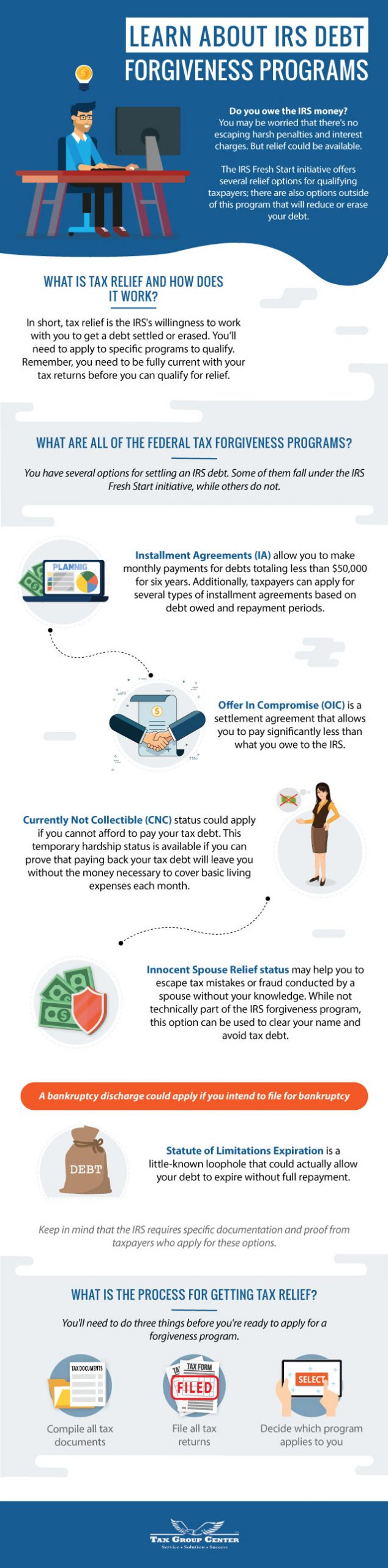
Financial obligation forgiveness, sometimes called financial debt settlement or "" less than complete equilibrium"" programs, runs on a straightforward property: financial institutions approve payment of less than the overall quantity owed, forgiving the continuing to be balance. This method varies essentially from debt administration strategies, where consumers repay their complete principal with reduced rate of interest.
The procedure normally needs accounts to be considerably overdue, typically 120 to 180 days past due. At this phase, financial institutions have commonly billed off the financial debt and might prefer worked out settlements over going after prolonged collection initiatives or risking total loss through consumer bankruptcy filings.
Certified consumers collaborate with therapy companies to bargain minimized equilibriums, after that develop structured layaway plan spanning about 36 months. Once all concurred settlements complete, creditors forgive continuing to be amounts. Some firms, including APFSC and InCharge, deal certain bank card debt mercy programs structured around these timelines.
Debt mercy lugs crucial considerations. Settled amounts generally influence credit history, though for customers already in default, this effect may confirm very little contrasted to continuous non-payment damage. Additionally, forgiven debt usually comprises taxed earnings under government laws, potentially developing unforeseen tax responsibilities.
Bankruptcy Counseling: Called For Actions and Offered Assistance
When debt scenarios exceed what settlement or monitoring can deal with, personal bankruptcy provides legal defense and potential debt discharge. Federal legislation mandates specific counseling demands for anyone pursuing this alternative, creating possibilities for both education and learning and intervention.
Pre-filing credit history counseling need to happen before sending insolvency paperwork. These sessions review earnings, financial debts, and expenses while discovering options to declaring. Several consumers find via this procedure that financial debt administration strategies or mercy programs may solve their circumstances without insolvency's lasting credit report implications.
Post-filing debtor education, called for before discharge, focuses on budgeting abilities, debt restoring approaches, and monetary monitoring practices. Both training courses normally take 60 to 90 mins and can be finished online, by telephone, or face to face via accepted carriers.
Organizations like APFSC, InCharge, and many NFCC member agencies provide these needed training courses, typically billing modest charges around $20 per session with waivers offered for qualifying people. Completion generates certifications needed for court filings.
Contrasting Nonprofit Carriers: What Differentiates Quality Solutions
Not all not-for-profit credit rating therapy agencies use identical solutions or keep equal partnerships with lenders. Reviewing companies requires analyzing several elements past basic nonprofit status.
Lender connections matter significantly. Agencies maintaining partnerships with significant financial institutions and credit scores card providers can commonly bargain extra beneficial terms than more recent or smaller sized companies. Developed nonprofits commonly deal with organizations like Chase, Citi, Capital One, Discover, and Financial Institution of America, facilitating smoother enrollment and much better rate of interest reductions.
Solution breadth varies significantly. Some agencies concentrate exclusively on debt administration plans, while others use comprehensive choices consisting of financial obligation forgiveness programs, personal bankruptcy counseling, real estate therapy, and specialty services for distinct scenarios like divorce-related debt or medical costs arrangements.
The National Foundation for Credit Counseling offers as an umbrella company attaching consumers with licensed counselors nationwide, giving one method for discovering trusted regional suppliers. HUD-approved real estate counseling companies, including Credit.org with over half a century of operation, offer extra verification of organizational legitimacy.
Accreditation with companies like the Council on Certification or membership in the Financial Counseling Association of America indicates adherence to industry criteria. Customer examines via platforms like Trustpilot, Better Organization Bureau ratings, and Google testimonials give real-world comments concerning solution high quality and outcomes.
Debt Management Program: The Center Ground Option
In between debt mercy and personal bankruptcy sits the financial debt monitoring plan, often representing one of the most proper remedy for consumers who can maintain organized settlements but struggle with high rate of interest.
With these strategies, not-for-profit companies negotiate with creditors to lower rate of interest, typically dropping them to solitary digits from the 20-plus percent typical on charge card. Late charges and over-limit fees generally obtain forgoed for enrolled accounts. Consumers make solitary month-to-month settlements to the therapy company, which disperses funds to financial institutions according to bargained terms.
Strategies generally span 3 to five years, with ordinary completion around 40 months according to sector data. Unlike financial obligation mercy, customers settle their complete principal, preserving credit report more efficiently while still attaining purposeful financial savings via rate of interest decrease.
Qualification requires demonstrating capability to preserve payments throughout the plan term. Accounts have to typically be closed upon enrollment, preventing additional charging while resolving existing balances. This trade-off in between credit rating accessibility and financial debt resolution represents a crucial factor to consider for consumers evaluating alternatives.
Warning and Indication in Debt Relief
The financial debt alleviation industry sadly brings in predatory drivers along with genuine nonprofits. Identifying caution indicators helps customers stay clear of solutions that may worsen their scenarios.
Ahead of time fees prior to solutions provide stand for a significant warning. Federal laws ban financial debt negotiation companies from charging charges until effectively negotiating settlements and getting at least one settlement towards the settled quantity. Companies asking for significant repayments prior to demonstrating outcomes likely breach these protections.
Guarantees of particular cost savings portions or assures to get rid of financial debt entirely needs to cause apprehension. Legitimate counselors recognize that lender participation differs and outcomes depend upon specific situations. No firm can ensure lender cooperation or details settlement quantities.
Advice to stop paying financial institutions while accumulating funds for negotiation develops significant danger. This approach, common amongst for-profit settlement business, produces added late costs, interest charges, and prospective legal actions while harming credit report even more. Nonprofit companies usually inhibit this method.
Pressure tactics, limited-time deals, or unwillingness to give written info regarding charges and services suggest problematic operators. Trustworthy nonprofits give comprehensive explanations, response questions patiently, and permit consumers time to make educated decisions.
Tax Obligation Effects of Forgiven Financial Obligation
Consumers pursuing financial obligation forgiveness should recognize possible tax obligation effects. Under government tax obligation legislation, forgiven financial debt amounts going beyond $600 usually make up gross income. Lenders report these quantities to the internal revenue service via Kind 1099-C, and consumers have to report them on annual income tax return.
For a person clearing up $30,000 in the red for $15,000, the forgiven $15,000 might raise taxable income substantially, potentially producing unforeseen tax obligation. Consulting with tax experts before registering in mercy programs aids consumers plan for these commitments.
Specific exemptions exist, consisting of bankruptcy arrangements for customers whose responsibilities exceeded possessions at the time of mercy. Bankruptcy-discharged debt likewise receives different therapy. These intricacies reinforce the worth of expert assistance throughout the debt resolution procedure.
Making the Decision: Which Path Forward
Selecting between financial debt mercy, financial debt management plans, and bankruptcy needs truthful evaluation of private situations. A number of concerns assist this assessment.
Can you keep organized repayments over three to 5 years? If of course, financial obligation administration strategies maintain credit scores while minimizing costs. If settlement capacity is badly restricted, forgiveness programs or insolvency might verify better suited.

How delinquent are your accounts? Financial obligation mercy usually requires considerable misbehavior, making it inappropriate for consumers current on repayments who simply desire alleviation from high rate of interest prices.
What are your long-term monetary goals? Personal bankruptcy continues to be on credit report records for seven to 10 years, while cleared up accounts effect ratings for shorter periods. Consumers intending major acquisitions like homes within a number of years might like options with much less lasting credit effects.
The majority of not-for-profit firms offer totally free first assessments, permitting expedition of alternatives without dedication. Making the most of these sessions with numerous service providers aids consumers recognize readily available paths and make educated selections concerning which company and program best fits their requirements.
The Course Toward Financial Recovery
Frustrating financial debt produces stress prolonging much beyond economic issues, impacting health, partnerships, and lifestyle. Recognizing readily available options stands for the important initial step toward resolution and eventual healing.
Not-for-profit credit score counseling companies provide structured pathways toward financial debt alleviation, whether through administration strategies decreasing rate of interest while maintaining complete settlement, forgiveness programs settling financial debts for much less than owed, or insolvency counseling leading customers through lawful discharge processes.
Success needs straightforward financial analysis, cautious provider evaluation, and commitment to whatever resolution strategy emerges. The trip from financial dilemma to security requires time, but numerous customers have navigated it effectively with ideal professional support.
How Credit Counseling Helps You Prepare for Possible Income Drops or LayoffsFor those currently struggling under financial debt burdens, resources exist to assist. The obstacle exists not in finding help however in finding the appropriate assistance, effectively matched to specific scenarios and objectives. That matching procedure, carried out thoughtfully with details gathered from several sources, develops the foundation for lasting monetary healing.

Table of Contents
- – The Growing Need for Debt Alleviation Solutions
- – Comprehending Exactly How Financial Debt Mercy...
- – Bankruptcy Counseling: Called For Actions and ...
- – Contrasting Nonprofit Carriers: What Different...
- – Debt Management Program: The Center Ground Option
- – Warning and Indication in Debt Relief
- – Tax Obligation Effects of Forgiven Financial O...
- – Making the Decision: Which Path Forward
- – The Course Toward Financial Recovery
Latest Posts
The Single Strategy To Use For "Debt Forgiveness Is Embarrassing" and More Lies
The 5-Minute Rule for Comparing Debt Relief Companies to Select the Right Partner
How New Platforms in Debt Counseling Can Be Fun For Anyone
More
Latest Posts
The Single Strategy To Use For "Debt Forgiveness Is Embarrassing" and More Lies
The 5-Minute Rule for Comparing Debt Relief Companies to Select the Right Partner
How New Platforms in Debt Counseling Can Be Fun For Anyone